
Kidney Cancer
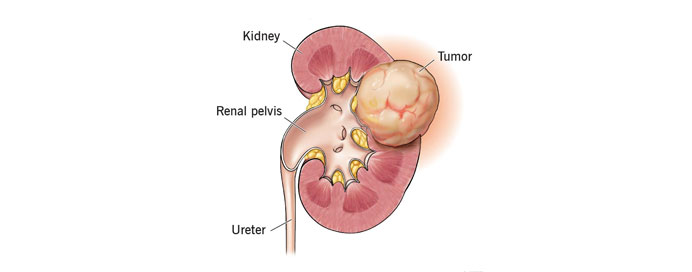
Kidney cancer, also known as renal cell carcinoma (RCC), is the most common type of cancer that originates in the kidneys. It develops from the lining of the small tubes within the kidney that filter blood and produce urine. The disease often affects adults, particularly those between 50 and 70 years of age. In its early stages, kidney cancer may not cause noticeable symptoms and is often detected incidentally during routine imaging for other health issues. Early detection significantly improves treatment outcomes.
Causes and Risk Factors
- Smoking – increases the risk of developing kidney cancer.
- Obesity and high blood pressure (hypertension).
- Family history of kidney cancer or genetic disorders such as Von Hippel–Lindau disease.
- Long-term dialysis for kidney failure.
- Occupational exposure to harmful chemicals (like asbestos or cadmium).
Common Symptoms
- Blood in urine (hematuria) – may appear pink, red, or cola-colored.
- Persistent flank or back pain on one side.
- Palpable lump or swelling in the abdomen or side.
- Unexplained weight loss, fatigue, or intermittent fever.
- Loss of appetite or night sweats (in advanced stages).
Treatment Options
- Partial Nephrectomy: Removal of only the tumor-bearing portion of the kidney, preserving normal tissue.
- Radical Nephrectomy: Complete removal of the affected kidney, surrounding fat, and sometimes nearby lymph nodes.
- Laparoscopic or Robotic Surgery: Minimally invasive approaches that offer less pain and faster recovery.
- Targeted Therapy & Immunotherapy: Used in advanced or metastatic cases to control tumor growth.
- Regular follow-up imaging is essential to monitor for recurrence.