
Lower Urinary Tract Symptoms (LUTS) & Urinary Incontinence
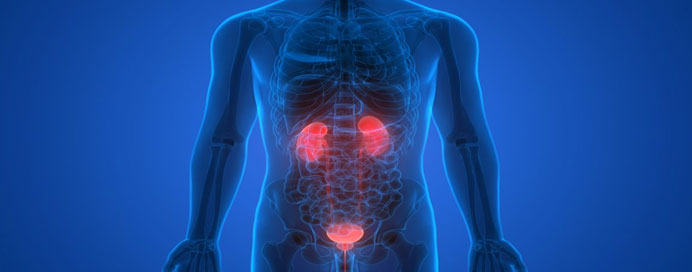
Lower urinary tract symptoms (LUTS) refer to a group of issues affecting the bladder and urethra, leading to difficulty in storing or passing urine. These symptoms are common in both men and women, especially with aging, and can significantly impact daily life. Urinary incontinence — the involuntary leakage of urine — is a frequent manifestation of LUTS, and may result from bladder overactivity, weakened pelvic muscles, or obstruction in the urinary tract.
LUTS are broadly categorized into storage, voiding, and post-micturition symptoms. Storage symptoms include frequent urination, urgency, and nocturia (waking at night to urinate). Voiding symptoms involve a weak urinary stream, straining, or difficulty initiating urination. Post-micturition symptoms include feeling of incomplete emptying or dribbling after urination. Proper evaluation and timely treatment are essential to improve quality of life and prevent complications.
Common Causes & Risk Factors
- Benign Prostatic Hyperplasia (BPH): Enlargement of the prostate in men causing obstruction
- Weak Pelvic Floor Muscles: Often in women after childbirth or aging
- Overactive Bladder: Sudden, uncontrollable urge to urinate
- Neurological Disorders: Stroke, Parkinson’s disease, or spinal cord injuries
- Urinary Tract Infections (UTIs): Can irritate the bladder and worsen symptoms
Treatment & Management
Treatment depends on the underlying cause and severity of symptoms. It may include lifestyle modifications such as fluid management and bladder training, pelvic floor exercises, medications to relax or stimulate the bladder, and minimally invasive procedures or surgery in severe cases. Early evaluation by a urologist or uro-gynecologist helps in improving symptoms and preventing long-term complications.