
Prostatitis
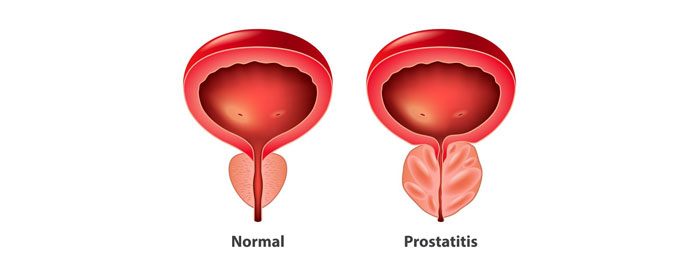
Prostatitis refers to the inflammation or infection of the prostate gland, a small organ located below the bladder in men. It can affect men of any age and often causes pain, urinary difficulties, and discomfort in the pelvic region. The condition may be acute (sudden onset) or chronic (long-standing) depending on its cause and duration.
Types of Prostatitis
- Acute Bacterial Prostatitis: A sudden bacterial infection causing fever, chills, and painful urination.
- Chronic Bacterial Prostatitis: Recurrent or persistent infection of the prostate.
- Chronic Prostatitis / Chronic Pelvic Pain Syndrome: Most common form; causes long-term pelvic pain without clear infection.
- Asymptomatic Inflammatory Prostatitis: Inflammation without noticeable symptoms, often detected incidentally.
Common Symptoms
- Pain or burning sensation during urination (dysuria)
- Frequent urge to urinate, especially at night
- Pain in the lower abdomen, pelvis, or lower back
- Painful ejaculation or discomfort after intercourse
- Fever, chills, or general malaise (in acute cases)
Diagnosis
Diagnosis is made through medical history, physical examination, urine tests, and sometimes prostate fluid analysis or ultrasound to identify infection or inflammation.