
URSL (Ureteroscopic Lithotripsy)
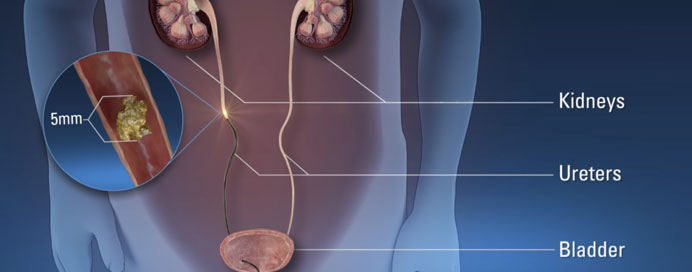
URSL (Ureteroscopic Lithotripsy) is a minimally invasive endoscopic procedure used to remove stones located in the ureter (the tube connecting the kidney to the bladder) or within the kidney itself.
During this procedure, a ureteroscope — a thin, flexible tube with a camera and light — is inserted through the natural urinary passage (urethra and bladder) without any incision. Once the stone is located, it is fragmented using a Holmium laser or pneumatic energy and removed with specialized instruments.
URSL provides quick relief from pain, blockage, and infection caused by ureteric stones and avoids the need for open surgery.
Indications
- Ureteric stones that do not pass on their own
- Small to medium-sized kidney stones
- Stones causing pain, infection, or obstruction
- Failed medical management or ESWL (Shock Wave Lithotripsy)
Procedure
- Anesthesia: The procedure is usually performed under general or spinal anesthesia.
- Endoscopic Access: The ureteroscope is gently passed through the urethra, bladder, and into the ureter.
- Stone Identification: The stone is located using a camera-guided view.
- Laser Fragmentation: The stone is broken into fine pieces using a Holmium:YAG laser.
- Stone Removal: Fragments are removed using baskets or left to pass naturally.
- Stent Placement: A temporary DJ stent may be placed to ensure smooth urine drainage and healing.
Advantages of URSL
- No incision or scar (natural passage used)
- Minimal pain and quick recovery
- Short hospital stay (usually same-day or overnight)
- Safe for most age groups
- Effective for stones resistant to medication
Recovery
- Most patients can resume normal activities within 2–3 days.
- Mild burning or discomfort while urinating may occur temporarily.
- The DJ stent, if placed, is usually removed after 1–2 weeks.
- Follow-up imaging ensures complete stone clearance.
Possible Risks (rare)
- Mild bleeding or infection
- Temporary discomfort due to DJ stent
- Residual stone fragments requiring follow-up treatment